

Why the Going Can Change a Race Before It Starts
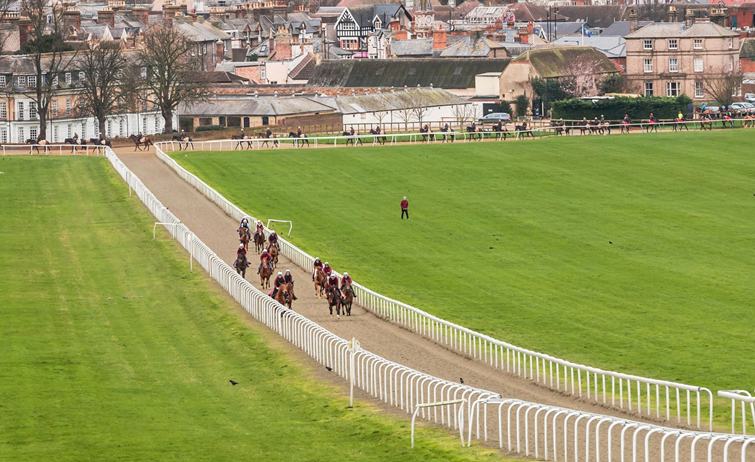
Two horses can arrive at a racecourse with similar ratings, comparable recent form and the same weight, yet produce entirely different performances once the race begins.
The answer is often underfoot.
The going describes the condition of the racing surface. It influences how comfortably a horse travels, how much energy it uses and whether its established running style remains effective. Understanding it can reveal far more than simply knowing whether rain fell before a meeting.
It is one of the recurring details within The Horse Exchange’s racing and equestrian coverage because footing affects preparation, performance, and the decisions made before a horse competes.
Going Descriptions Have Precise Meanings
Under the current British Horseracing Authority instructions, turf going is described as hard, firm, good to firm, good, good to soft, soft or heavy. When conditions vary around the course, the official report may add wording such as “firm in places.”
All-weather tracks use a separate scale: fast, standard to fast, standard, standard to slow and slow.
These terms give trainers, jockeys, and racegoers a common reference point. They do not mean that every section of a course will feel identical. Drainage, soil composition, irrigation, and previous racing can create variations around the track.
The official description must reflect conditions at the time of inspection. It is not intended to forecast what the ground may be like several hours later.
Different Horses Want Different Ground
Some horses move efficiently across quicker ground. Others produce their best performances when rain has softened the surface.
Pedigree can provide clues, particularly when a lightly raced horse has little form under different conditions. Previous performances remain more persuasive. A runner that has repeatedly travelled and finished strongly on soft ground has demonstrated an ability that breeding alone can only suggest.
Even then, context matters. A horse may have won on soft ground against modest opposition or finished fourth in a stronger contest while handling the conditions perfectly well.
The way a horse achieved its result should therefore be considered alongside the finishing position. Did it travel comfortably? Was it still moving strongly near the finish? Did the jockey report that the ground was unsuitable? Those details can help explain a performance that the result alone cannot.
Distance Can Feel Longer on Soft Ground
A race’s official distance does not change when rain arrives, but its physical demands can.
Soft and heavy ground generally requires a horse to expend more energy. A runner proven over a mile on quicker going may find the same distance more testing after sustained rainfall. Stamina can therefore become particularly important during wet-weather meetings.
Pace complicates the picture. An evenly run race on soft ground may suit a proven stayer, while a slow early gallop could leave the result dependent on acceleration during the closing stages.
Course layout matters as well. Hills, bends and a long home straight can magnify the demands created by softer ground. Previous form over a similar distance is most useful when the course and conditions are also comparable.
Markets Respond to New Information
Going changes may lead trainers to withdraw horses and cause expectations surrounding the remaining runners to shift.
Pages offering horse racing betting display upcoming races and markets including win and each-way selections. The available odds can change as market activity and new information alter the assessment of each runner’s chance.
A shortening price does not prove a horse will handle the ground, just as a drifting price does not guarantee a poor performance. It shows that the market’s assessment has moved.
The useful question is why. A revised going report, non-runner or jockey change may explain movement that would otherwise appear arbitrary.
The Latest Report Matters Most
Going is not fixed when declarations are made. Rain can arrive overnight, irrigation may take place and conditions can change during the meeting.
The BHA’s current instructions on racecourses and going, dated 28 March 2026, require official reports to communicate variations around the track. GoingStick readings must also accompany reports at specified stages, including on the day of racing.
Watching earlier races on the card can add further context. Jockeys may move towards one section of the course if they believe it offers better ground. Winning times and post-race comments can also indicate whether conditions are riding differently from expectations.
Read the Whole Race
Going should never be considered in isolation.
A horse still needs sufficient ability for the class, enough stamina for the distance and a race shape that allows it to perform effectively. Weight, draw and jumping accuracy may remain decisive.
The most useful approach is to treat the ground as one part of the race rather than an answer on its own. Check the latest official report, compare it with previous performances and consider how the surface could affect the pace and demands of the contest.
The weather may change the going. It should not replace the rest of the form book.