

Scouting for Success: What to Look for When Buying a Young Sport Horse in 2026
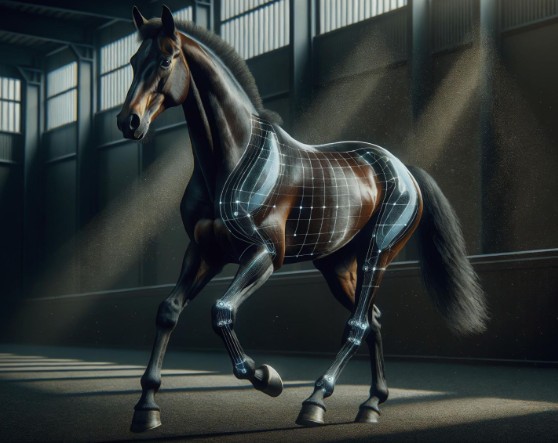
The search for a future champion has always combined intuition with patience. By 2026, the process of buying young sport horses has undergone a digital revolution. While the “feel” under the saddle remains vital, modern buyers now use a powerhouse of data to minimize risks. Finding a star for showjumping or dressage today means merging traditional horsemanship with the verifiable facts of 21st-century technology.
The Digital Paperwork and Verification
In 2026, tattered paper passports are relics of the past. Serious buyers prioritize horses with a comprehensive FEI HorseApp profile, which acts as a digital CV. This identity provides a secure, unalterable history of vaccinations and performance metrics. Transparency is now the industry’s ultimate currency. Much like professional players who verify the reliability of Banger Casino before trusting a platform, savvy horse buyers must validate a seller’s digital credentials. A verified trail ensures that medical and competition records are genuine.
The vetting process now utilizes blockchain-based records to prevent the “filtering” of X-ray sets. When browsing marketplaces, look for the Verified Health Status badge. Since the launch of Equipass in January 2026, top-tier prospects include a digital twin of their documents, providing peace of mind during international transactions.
Buyers should look for three specific digital markers:
- A timestamped history of veterinary interventions synced with the FEI Global Database.
- Genomic Breeding Values (GBV) linked to the horse’s microchip, revealing its true genetic potential.
- High-definition 3D scans of joints, allowing remote virtual assessments from anywhere in the world.
Decoding the Modern Pedigree
Pedigree analysis in 2026 is a precise science. Beyond famous sires, we use Genomic Breeding Values from the IAFH (International Association of Future Horse Breeding). This February, the IAFH launched a database linking DNA markers to 28 conformation traits. In jumping, the legacy of Chacco-Blue and Emerald continues, but buyers now seek specific “nicks” correlating with success in 1.50m classes.
The damline often holds the real value. A “black-type” mare who has produced international competitors is worth her weight in gold. In dressage, the influence of Vitalis and Kjento remains the gold standard for those seeking elusive, active hock action and natural rhythm.
To evaluate a pedigree effectively, consider these factors:
- The success rate of the dam’s previous offspring in sport, verified via WBFSH data.
- Genetic markers for bone density and tissue longevity, now standard in genomic reports.
- The “Rideability Index” associated with the bloodline, based on IAFH profiling of over 84,000 horses.
Conformation and AI Motion Analysis
While a trainer’s eye is vital, AI-powered gait analysis is now a standard marketplace tool. This software tracks biometric points to measure “suspension” in dressage or the “bascule” in jumpers with millimetre precision. A vertical shoulder angle remains the target for leg extension, but we can now quantify it exactly. A horse with an “uphill” frame and powerful loins will find the work easier, and AI confirms this frame is maintained under pressure.
Symmetry is the most critical metric. If AI sensors show even a 2% deviation in limb loading during a trot-up, it could signal future soundness issues. Optical sensors provide objective detail that the human eye cannot capture during a busy viewing day.
Assessing Temperament and Recoverability
A champion needs a “warrior” heart and a calm mind. By 2026, sellers frequently provide data from wearable heart-rate monitors. This reveals the horse’s “recoverability”—how quickly its heart rate returns to resting levels after a jumping round. A horse that recovers fast usually possesses a superior cardiovascular system and a stable temperament.
Observe how a young horse reacts to its environment. We look for Rideability—the willingness to stay focused when the stadium lights come on.
To gauge temperament, look for:
- A calm eye and relaxed ears during tacking up, indicating low cortisol levels.
- Immediate, positive response to light aids, showing a high “cooperation score” in training logs.
- The ability to relax the topline immediately after work, confirming mental suppleness.
Buying a young prospect remains high-stakes, but using the tools of 2026 allows for informed, confident decisions. Combine your equestrian intuition with genomic data to find your next star.