

Racing Surfaces and Their Hidden Influence on Performance
How Different Surfaces Affect Injury Risk and Performance
Horse racing lives in the details. The crowd sees colour, movement, and noise. What lies beneath decides everything. Track surfaces, often ignored by casual viewers, control how a horse moves, breathes, and finishes. Those few centimetres of ground can alter entire careers.
Long ago, races were run on whatever land was available. Some were smooth, others full of holes. Over time, groundskeepers learned that surface quality determined not only speed but safety. That awareness later became part of betting culture. 1xBet Horse Racing Bets Ireland reflects how surface conditions now influence every modern prediction. Bettors who study these small technical cues often gain an edge that pure statistics cannot offer.
Different track types tell different stories. Turf, dirt, and synthetic each carry their own rhythm, advantages, and risks. To understand racing, one must understand what stands under the hooves.
Turf – the Living Ground
Grass racing links today’s sport to its earliest form. Turf allows natural movement and a softer landing, which lowers stress on joints. Horses from wetter climates often handle grass well, keeping balance where others slip. The best turf runners show patience, using rhythm more than power.
Still, grass changes fast. Rain can turn the surface heavy within minutes, transforming a sprint into endurance work. Trainers adapt shoes and race pace to match new conditions. Bettors learn to follow track reports closely, not rumours. The smallest weather note can shift results entirely.
Dirt – the Demanding Track
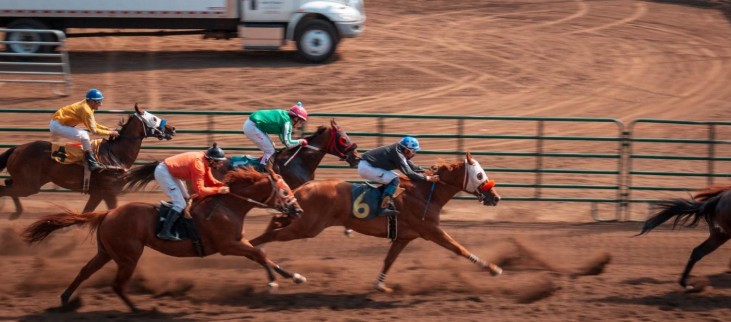
Dirt tracks reward strength and raw drive. The surface breaks with every stride, demanding more energy from the horse. That makes races faster but harder on muscles and tendons. Over time, these courses have built a reputation for unpredictability.
Veterans of dirt betting often look beyond simple speed ratings. They study how each horse reacts to kickback, how deeply the hooves dig, and how dust affects breathing. These signs reveal more about readiness than form tables do. Experience teaches that the hardest track can also deliver the most dramatic finish.
Synthetic – the Controlled Experiment
Artificial tracks entered the sport to reduce accidents and balance seasonal gaps. Made from a blend of fibres, sand, and wax, they resist heavy rain and remain stable in heat. At first, many believed they would solve the sport’s injury problem entirely. The truth proved subtler. Some horses thrive on synthetic grip; others struggle to find stride.
For bettors, synthetic racing brings consistency. Weather rarely changes odds. Data remains cleaner, which helps pattern analysis. Yet, purists still say synthetic lacks the unpredictability that gives racing its edge. Numbers may behave, but horses remain individuals.
Economy and Welfare
Behind the excitement sits an economic layer. The type of surface influences careers, training schedules, and even prize distribution. A track that causes fewer injuries extends the life of top runners, which in turn sustains breeding value and sponsorship. The link between health, longevity, and athlete earnings is stronger than most realise. For stables, a single injury can change the balance of a whole season.
Betting markets react to these realities too. A surface change a day before the race can move lines dramatically. Observant punters watch these shifts as indicators of stable confidence or weather concern.
Observation as a Skill
Reading the track is an art built on repetition. Successful bettors and trainers alike keep records of how horses respond to various conditions. Over time, these notebooks turn into silent libraries of experience.
Common long-term habits include:
- Recording past results for each track and surface type.
• Noting how rainfall or maintenance timing alters finishing times.
• Tracking individual horses that favour soft or firm footing.
These habits transform guessing into understanding. The bettor who studies surfaces learns to see patterns hidden from the crowd.
Perspective Across Time
A century ago, track inspection meant walking the field and testing the soil by hand. Now, satellites and sensors measure moisture and density. Yet the basic principle remains the same: good racing starts with good ground. Horses still depend on how the earth beneath them responds.
Surfaces shape not only movement but trust. A stable footing gives confidence, and confidence wins races. Those who study that quiet foundation understand that success in horse racing is written not in speed, but in the soil that carries it.