

How Trainers Prepare Horses for Different Racing Conditions
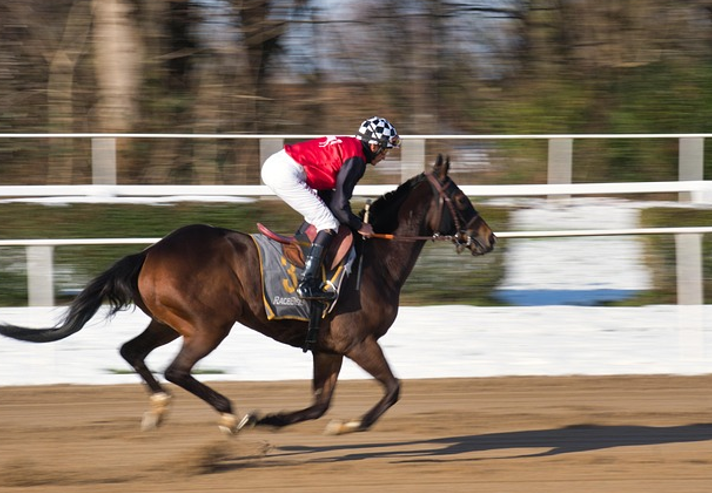
Preparing a racehorse involves much more than developing speed and stamina. Trainers must account for the surface, distance, weather, travel demands and opposition surrounding each assignment.
Every horse also responds differently to those variables. Some perform naturally on particular surfaces, while others need additional time to adapt to unfamiliar conditions. Trainers therefore combine conditioning, observation and carefully structured routines to prepare horses for specific challenges, continually adjusting programmes as race day approaches and circumstances become clearer.
Training Changes With the Racing Surface
Dirt, turf and synthetic tracks place different demands on horses. Trainers can tailor exercise programmes to provide relevant experience, considering how firmness, moisture and surface composition may affect movement, traction and racing rhythm.
Surface conditions can influence stride mechanics and the energy required to maintain pace. Followers using FanDuel Racing may notice previous surface form when reviewing runners, while trainers can gather additional information by observing how comfortably horses move during workouts.
Timed workouts provide another reference point. Trainers assess fractions, recovery, and movement rather than treating workout times alone as definitive evidence of readiness. A horse working comfortably can reveal useful information about its adaptation.
New surfaces are generally approached progressively. Giving horses controlled exposure allows trainers to observe action and comfort before competition. Familiarity with footing and surroundings may also help a horse settle into its normal routine on race day.
Weather Demands Flexible Conditioning Programmes
Temperature and humidity can influence daily training schedules. During hotter periods, trainers may exercise horses earlier in the day when conditions are cooler, while cold weather may require longer warm-ups before demanding work begins.
Hydration is closely monitored because strenuous exercise produces fluid and electrolyte losses through sweat. Trainers and veterinary teams can adjust water and electrolyte intake based on workload, environmental conditions, and the horse’s individual needs.
Rain introduces another variable. Wet turf or muddy dirt can change traction and increase the physical demands of travelling efficiently. Where appropriate conditions are available, exposure during training helps establish how comfortably a horse handles altered footing.
Coat condition, recovery and respiratory signs provide further information about general wellbeing. Horses travelling between different climates may require additional acclimation time, allowing them to become accustomed to local temperatures and routines before competing.
Race Distance Shapes Every Workout
Preparing for a sprint differs considerably from conditioning for a longer route. Short races emphasize acceleration and sustained speed, whereas longer assignments place greater demands on aerobic fitness, efficiency and the ability to conserve energy.
Route preparation typically incorporates conditioning to build stamina progressively. Trainers can use longer gallops and carefully controlled workloads to build fitness without requiring horses to reproduce race-level effort during every training session.
Sprint preparation places greater emphasis on sharpness. Shorter, quicker exercises can develop responsiveness and acceleration. Trainers still require an appropriate fitness foundation, however, because maintaining speed effectively depends on both conditioning and natural pace.
Training gallops can also rehearse rhythm and settling. Horses expected to race over longer distances may practise relaxing behind others before increasing effort. These lessons help jockeys understand which pace and positioning patterns could suit their mounts.
Travel Requires More Than Transportation
Shipping to another racecourse introduces circumstances horses do not encounter when competing from their regular base. Trainers plan departure times carefully, considering journey length, feeding schedules, rest, and the horse’s previous travel experience.
Long journeys can produce fatigue or affect normal routines. Allowing sufficient recovery time after arrival allows trainers to monitor appetite, hydration and general behaviour before asking the horse to undertake demanding exercise.
The destination itself also requires adjustment. Different stalls, barns, sounds and training areas can create unfamiliar surroundings. Maintaining familiar feeding, walking and exercise routines can provide continuity while horses become accustomed to their temporary environment.
Planning helps trainers understand practical conditions before arrival. Course configuration, training facilities, climate, and local procedures can all influence preparations. Information from previous visits and local contacts can further reduce uncertainty around an away assignment.
Nutrition and Recovery Support Preparation
Nutrition programmes reflect workload, body condition, and individual requirements rather than following a single formula for every runner. Trainers monitor feeding alongside exercise to ensure horses receive appropriate energy and nutrients while maintaining suitable racing condition.
Recovery requirements can also vary with workload. A demanding endurance-oriented preparation may require different recovery intervals from shorter speed sessions. Trainers monitor how horses respond before deciding when to resume harder exercise.
Veterinary input supports this process through routine examinations and assessment of physical condition. Trainers can combine professional veterinary findings with daily observations from riders, grooms and other staff who become familiar with each horse’s normal behaviour.
Rest is therefore part of conditioning rather than an interruption to it. Race schedules, travel and training intensity must leave adequate recovery opportunities; effective programmes alternate demanding sessions with lighter activity, allowing fitness to develop progressively without unnecessary overexertion.
Competition Influences Tactical Preparation
Training programmes can also reflect the anticipated opposition. Trainers examine the likely strength and characteristics of a field while considering how their own horse’s preferred running style may interact with the expected race shape.
Field size is particularly relevant to positioning. Larger groups can create more traffic, while smaller fields may produce different pace patterns. Training can help horses become comfortable settling behind runners or responding when asked to accelerate.
Past performances provide clues about likely rivals. Previous distances, surfaces, running positions, and pace tendencies can help connections anticipate how a contest might develop, although scratches and unexpected tactics can quickly alter that picture.
Communication with the jockey completes the process. Trainers can discuss preferred positioning and the horse’s recent behaviour while leaving room for adaptation after the start. Ultimately, tactics must respond to how the particular race develops in real time.
Preparation Is Built Around the Individual
Successful race preparation requires trainers to balance numerous changing variables. Surface, climate, distance, travel, nutrition and opposition all influence how a horse approaches an assignment, but no single preparation method suits every runner.
The most effective programmes remain responsive to the individual horse. Daily observations can lead trainers to modify exercise, recovery or race plans as circumstances evolve. By combining structured conditioning with adaptability, trainers aim to bring horses to competition appropriately prepared for the specific demands they are likely to encounter.