

Horse Racing Technology Gives Every Fan a Sharper View of the Sport
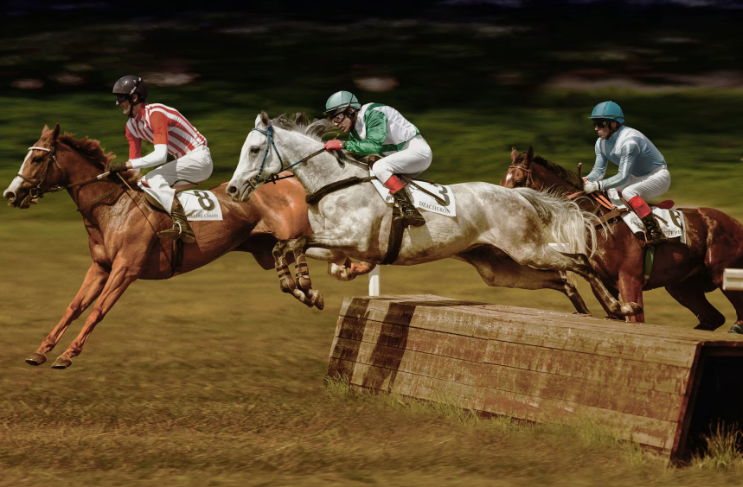
The Race in Your Hand: How Data Changed the View from the Rail
Technology has made horse racing easier to follow without draining its suspense. Fans now see pace, position, split times and the official finish in exceptional detail.
The Broadcast No Longer Ends at the Camera
Modern coverage combines pictures with live data, replays and race context. The result is a broadcast that explains movement rather than merely showing it.
High-frame-rate cameras hold the decisive stride. GPS traces each runner, while graphics translate speed and sectional timing in seconds. Replays arrive quickly on racecourse and broadcaster platforms. A two-minute race can support an evening of review.
Timing Data Turns Pace into a Story
Sectional timing shows where a horse gained, conserved or lost momentum. It gives fans evidence for a performance that the finishing position alone may hide.
Britain now has a unified sectional-times database covering all 59 racecourses: Coursetrack supplies 35 tracks, and Total Performance Data covers 24 Arena Racing Company and independent venues. GPS records position continuously, then derives speed, stride length, distance and splits. A runner boxed in before finishing strongly leaves a different signature from an uncontested leader. Form study becomes replay analysis, not result reading.
- Pace: splits show where energy was spent.
- Position: tracking reveals traffic and ground lost.
- Stride: cadence changes can explain a late fade.
| Technology | What the fan sees | Question it answers | Best moment to use it |
| GPS tracking | Position, speed and running order | Who spent energy early? | During and after the race |
| Sectional times | Splits for parts of the course | Where did the pace change? | Form review |
| Photo finish | Line-scan image of the finish | Which nose reached the line first? | Tight result |
| Immersive stream | Wide, high-resolution field of view | Where is the action away from the leader? | Live viewing |
A Finish Measured at 6,000 Frames per Second
New photo-finish cameras give British judges far more image detail in the closest results. The technology strengthens the official view when television angles create optical confusion.
The BHA said Lynx cameras rolled out across every British racecourse in 2026 capture roughly 6,000 frames per second. A photo-finish unit is fixed on the winning line; a broadcast camera is not. Judges inspect the leading part of the head, excluding ears and tongue, then enlarge close images to a few pixels. Evidence outranks the most dramatic replay angle.
Why the Phone Has Become a Second Racecourse
The phone joins the stream, racecard and form book in one portable viewing setup. Its value is speed: the next useful detail should be available before the horses reach the post.
Racing now follows the fan beyond the grandstand. Digital racegoers move between declarations, going updates, replays and live pictures during one card. For adults who add a prediction to that ritual, an Indian betting app download can place prices beside pocket-sized form notes. A deposit becomes the cost of premium leisure, much as a cinema ticket or new game buys an experience. Good design separates pre-race and in-running markets, marks suspended betting and keeps account controls easy to find. Every price reflects uncertainty plus the bookmaker’s margin. The race stays central; the second screen adds a personal question.
What Live Odds Add to the Spectacle
Live odds convert the race’s shifting shape into a number. They react to pace, position, remaining distance and market demand, giving attentive fans another way to test what their eyes are telling them.
A short-priced favorite caught wide may drift before the commentator describes the problem. A closer traveling smoothly behind a strong pace may shorten approaching home. Adults using the Melbet site can compare those movements with sectional evidence during a recreational race night. The prices carry no certainty; an overround means their implied probabilities exceed 100 percent. That margin is part of the entertainment cost, while the fun comes from forming a view before the final furlong tests it. Racing has always invited judgment; live data gives it a faster clock.
Ticketing and Maps Remove the Slow Parts
Racecourse apps reduce friction before the first race. Mobile tickets, digital sharing, venue maps and event updates move practical tasks away from queues and paper.
The Jockey Club supports app-based ticket storage and transfer so that groups can arrive separately with individual QR codes. Venue maps locate enclosures, food points and viewing areas. Accounts can carry updates when times or access change. The payoff is more time at the paddock and parade ring.
The Next View May Feel Almost Trackside
Immersive video is beginning to widen the remote spectator’s field of view. The early experiments aim to restore the spatial sense that a standard camera crop removes.
Ascot, RaceTech and technology partners staged a live ultra-high-resolution immersive broadcast in January 2026. The format gave viewers more depth and room to inspect action beyond the leader. Future coverage could offer a rail-side perspective, one-runner view or selectable data overlay without losing the picture. The oldest thrill remains a moving field and a shrinking strip of turf; the screen is learning how much to show.
18+. Play responsibly.