

From Cheltenham to Kentucky: Contrasting UK and US Racing Cultures
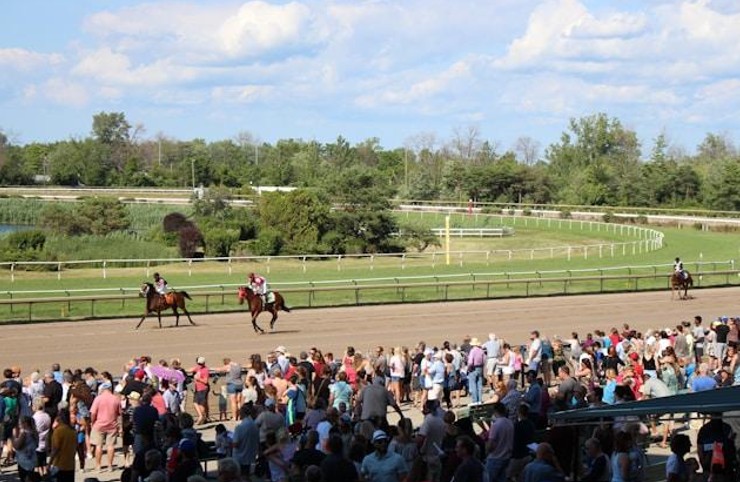
Horse racing is one of the world’s oldest and most tradition-filled sports, yet its culture differs dramatically by region.
Few comparisons are more revealing than that between the United Kingdom and the United States. From the undulating turf of Cheltenham to the dirt ovals of Kentucky, horse racing reflects each nation’s history, regulation, and betting habits.
For enthusiasts and bettors, understanding these contrasts adds depth to the sport and improves wagering insight. While both countries celebrate elite horses and iconic events, the way races are structured, run, and bet on creates two very different experiences.
Exploring these differences explains why UK and US horse racing feel fundamentally different, even as they pursue the same goal of showcasing equine excellence.
Racing Surfaces and Track Design Shape the Sport
Track surfaces and layouts are among the most noteworthy differences in horse racing between the UK and the US.
In the UK, racing takes place predominantly on grass, with courses featuring natural undulations, varied gradients, and both left- and right-handed turns. These elements test balance, stamina, and adaptability.
In contrast, US horse racing focuses mainly on dirt tracks, with some turf racing but far greater emphasis on speed-friendly surfaces.
American tracks are typically flat, uniform, and left-handed, designed to reward early pace and tactical positioning. These structural differences shape training, breeding, and race tactics. UK horses learn to cope with changing conditions, while US horses develop explosive speed.
For bettors, understanding how track design influences performance is essential when comparing horse racing form across regions.
Distance, Pace, and Racing Philosophy
Race distances further highlight the philosophical divide in horse racing. UK racing regularly features long-distance contests, especially in National Hunt events, where stamina is key to success.
Even on the Flat, staying races hold prestige and demand patience from jockeys. US horse racing, by contrast, favors shorter, speed-driven races.
Sprints dominate race cards, and even classic events rarely exceed 1½ miles. The Kentucky Derby emphasizes tactical speed rather than prolonged endurance. These differences affect riding styles, pace scenarios, and training programs.
UK races often unfold gradually, while US races generally demand sharp early acceleration. Bettors must adjust expectations when evaluating international runners, as pace dynamics and sectional timing vary widely between the two horse racing cultures.
Race Types, Betting Structures, and Market Behavior
Race types strongly influence betting behavior across countries. UK horse racing places significant emphasis on National Hunt racing during winter, with hurdles and steeplechases drawing massive interest at festivals like Cheltenham. Flat racing complements this structure rather than dominating it.
In the US, Flat racing is central, and jump racing remains niche. Betting systems reflect this difference.
UK bettors commonly use fixed-odds bookmakers alongside the Tote, while US betting relies heavily on pari-mutuel pools where odds fluctuate until post time.
Understanding these systems helps bettors navigate different horse racing bet types, especially when assessing value and volatility. Market movement, pricing efficiency, and risk management differ substantially, making system awareness vital for anyone betting across international horse racing events.
Regulation, Medication, and Competitive Integrity
Regulation creates another significant contrast in horse racing cultures. In the UK, the British Horseracing Authority governs the sport centrally, ensuring consistent rules nationwide. Medication regulations are strict, with race-day medication largely banned to protect the integrity of the sport and horse welfare.
This approach prioritizes transparency and long-term soundness. In the US, regulation occurs at the state level, leading to variations in rules and enforcement.
Race-day medication, including Lasix (a diuretic medication administered to horses on race day to prevent exercise-induced pulmonary hemorrhage, or bleeding in the lungs during intense exertion), remains widely permitted.
These differences influence how horses are trained and how form should be interpreted. Bettors comparing UK and US performances must account for regulatory differences, as medication policies can affect consistency, improvement patterns, and the reliability of horse racing results.
Training Culture, Lifestyle, and Prestige
Horse racing culture extends beyond the track into training environments and social traditions. In the UK, many trainers operate from rural yards, using open countryside to build stamina and resilience. Horses often train away from racecourses, reinforcing endurance-based preparation.
Race meetings retain strong ties to tradition, including formal dress codes and long-established social customs.
In the US, training centers are often integrated into racetrack complexes, enabling intensive, speed-focused routines. The atmosphere feels more commercial and entertainment-driven. Prize money also differs, with top US races offering larger purses, while UK prestige relies heavily on history and honor.
These cultural factors shape how fans and bettors engage with horse racing on both sides of the Atlantic.
Bettor Takeaway
| UK Horse Racing | US Horse Racing | |
| Primary Racing Surfaces | Predominantly grass (turf) tracks | Primarily dirt tracks, with some turf racing |
| Track Design & Layout | Varied layouts with natural undulations, gradients, and both left- and right-handed turns | Mostly flat, uniform, left-handed oval tracks |
| Impact on Racing Style | Tests balance, stamina, adaptability, and racecraft | Rewards early pace, tactical positioning, and speed |
| Typical Race Distances | Wide range, including long-distance races and endurance tests | Shorter distances dominate; speed-focused races |
| Prestige Race Philosophy | Emphasis on stamina, patience, and staying power | Emphasis on tactical speed and fast starts |
| Dominant Race Types | Strong focus on National Hunt (jump racing) and Flat racing | Flat racing dominates; jump racing is niche |
| Betting Systems | Fixed-odds bookmakers alongside the Tote (pari-mutuel) | Predominantly pari-mutuel betting pools |
| Market Behavior | Stable odds with early value opportunities | Odds fluctuate until post time based on betting pools |
| Regulatory Structure | Centralized governance by the British Horseracing Authority (BHA) | State-by-state regulation with varying rules |
| Race-Day Medication | Largely prohibited to protect integrity and welfare | Widely permitted, including Lasix |
| Training Environment | Rural training yards using open countryside | Racetrack-based training centers |
| Cultural Atmosphere | Tradition-driven with formal dress codes and historic prestige | Commercial, entertainment-focused race-day experience |
| Prize Money vs Prestige | Prestige and history carry significant weight | Higher prize money at top-level races |
| Bettor Considerations | Emphasis on stamina, ground conditions, and adaptability | Focus on pace, speed figures, and early positioning |
Distinct Philosophies
From Cheltenham’s testing turf to Kentucky’s fast dirt tracks, UK and US horse racing represent two distinct philosophies shaped by tradition, regulation, and betting culture.
Each system rewards different equine qualities and tactical approaches while offering bettors unique challenges and opportunities. Understanding these contrasts deepens appreciation of the global sport and improves analytical decision-making.
Whether analyzing stamina-heavy jump races or speed-driven dirt contests, informed bettors gain an edge by recognizing how racing culture shapes outcomes.
Horse racing thrives on diversity, and its worldwide appeal grows stronger when fans embrace what makes each geographic tradition unique.
*Content reflects information available as of 2025/12/23; subject to change.