

Why UK Racing Fans Should Pay Closer Attention to the Belmont Stakes
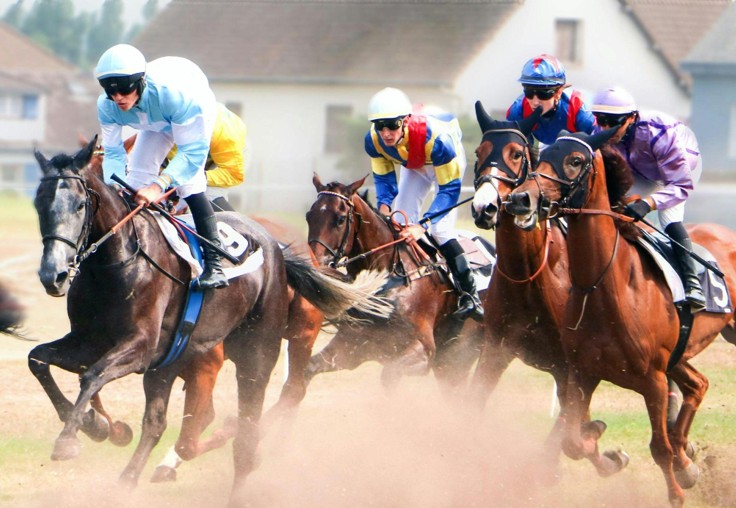
British racing fans rarely overlook major events at Ascot, Epsom, or Cheltenham, yet many still underestimate the Belmont Stakes. That is surprising because the race has become one of the most interesting tests in international flat racing, combining elite American breeding, tactical dirt racing, and growing global attention.
The 2026 Belmont Stakes remains at Saratoga Race Course while Belmont Park renovations continue. The shorter 1¼-mile distance has changed race strategy, placing greater emphasis on tactical speed and positioning. For UK fans who appreciate bloodlines, conditioning, and historic race meetings, the Belmont now offers far more than a traditional Triple Crown finale.
Saratoga Changes Everything
Saratoga Race Course gives the Belmont Stakes a very different feel compared to Belmont Park. Saratoga is tighter, older, and more atmospheric. British fans who enjoy Newmarket or Goodwood often respond well to its historic setting and intimate layout.
The current configuration also changes how horses prepare. Trainers cannot rely only on stamina. Positioning and pace now matter more because the race is contested over 1¼ miles instead of the traditional 1½ miles. That creates a sharper contest from the opening stages.
Several factors make Saratoga appealing to overseas fans:
- Smaller field sizes create cleaner tactical racing,
- The shorter distance rewards adaptable horses,
- Historic surroundings add prestige and atmosphere,
- The festival format creates five days of major racing.
The 2026 Belmont Stakes Racing Festival includes 25 stakes races worth more than $11 million across the week. That depth gives UK fans a more familiar way into the race, allowing them to focus on pace, positioning, course character, and preparation rather than viewing the Belmont solely as an American stamina test.
It also makes the event easier to follow beyond the main race. Earlier festival races can show how the surface is playing, which running styles are effective, and how trainers are managing their best horses across the week.
Why British Fans Relate to American Dirt Racing
Many UK followers assume American dirt racing lacks the complexity of turf racing. In reality, the Belmont Stakes rewards preparation, rhythm, and intelligent pacing in ways British fans already understand from staying races.
Training methods are especially interesting. American trainers focus heavily on gate speed, recovery, and controlled workouts. Horses often breeze shorter distances at higher intensity compared to traditional British conditioning programs. Watching how top Belmont contenders prepare can offer insight into a completely different philosophy of race fitness.
The Belmont also highlights the importance of breeding. American dirt pedigrees are often bred for acceleration and stride efficiency. Horses descending from bloodlines linked to Curlin, Into Mischief, or Tapit frequently perform well in major Triple Crown races because they combine stamina with tactical speed.
British fans interested in bloodstock trends should pay attention to how these pedigrees influence sales and international breeding decisions. American bloodlines increasingly appear in European programs, especially among owners looking for versatility and durability.
A Growing International Event
The Belmont Stakes is no longer only an American spectacle. International media coverage has expanded significantly during the Saratoga era. The temporary move created wider interest because Saratoga already attracts racing tourists from Europe and the Middle East during summer meetings.
Attendance and engagement numbers also reflect that growth. The expanded 2025 Belmont Racing Festival attracted more than 110,000 visitors across five days, according to regional reporting tied to NYRA releases.
For racing enthusiasts who follow elite horses year-round, the Belmont festival now offers:
- Multiple Grade 1 races across dirt and turf,
- Leading American trainers and jockeys in one venue,
- Strong crossover appeal with European ownership groups,
- Early indicators for future breeding and sales markets.
The festival atmosphere also feels closer to a major British race week than a single race day. Saratoga turns the Belmont into a broader celebration of thoroughbred culture rather than one isolated event.
This broader schedule gives international fans more ways to engage with the meeting, allowing them to compare American dirt specialists, turf runners, emerging prospects, and proven older horses across the same event. That range makes the festival more useful for understanding where top US racing is heading.
Understanding the Modern Belmont Field
Recent Belmont Stakes editions show how much the race has evolved. Horses now arrive with more varied preparation schedules. Some skip the Preakness entirely to stay fresh for the Belmont, while others target the race after selective spring campaigns.
That pattern matters for fans studying race development and form cycles. The modern Belmont rewards freshness and adaptability more than sheer endurance. Kentucky Derby winners increasingly use spacing and recovery as part of their Triple Crown planning.
This shift has also increased interest in the race from audiences following market movement and betting analysis. Many international racing followers now monitor Belmont Stakes odds to understand how trainers, track conditions, and pedigree trends shape expectations before the final field is confirmed.
For UK fans already familiar with sectional timing, conditioning cycles, and breeding theory, the Belmont Stakes offers an excellent case study in how modern elite racing continues to evolve. It also shows how trainers balance tradition with sharper race planning, especially when distance, venue, and recovery all influence the final field.
Saratoga’s Belmont Era Leaves a Lasting Mark
The Belmont Stakes has become far more than the final leg of the Triple Crown. The Saratoga chapter transformed the event into a wider racing festival with stronger international relevance and a more tactical style of competition. British fans who appreciate training methods, breeding development, and historic race meetings have plenty to gain from following the Belmont closely. The race now blends American speed traditions with strategic depth that international audiences increasingly recognize.
The 2026 edition also represents the final Belmont expected at Saratoga before the race returns to a rebuilt Belmont Park in 2027. That gives this year added significance within modern racing history. For UK racing followers looking beyond traditional European calendars, the Belmont Stakes now stands as one of the most compelling international races of the summer season.