

Kentucky Derby Betting Strategies: How to Pick a Winner
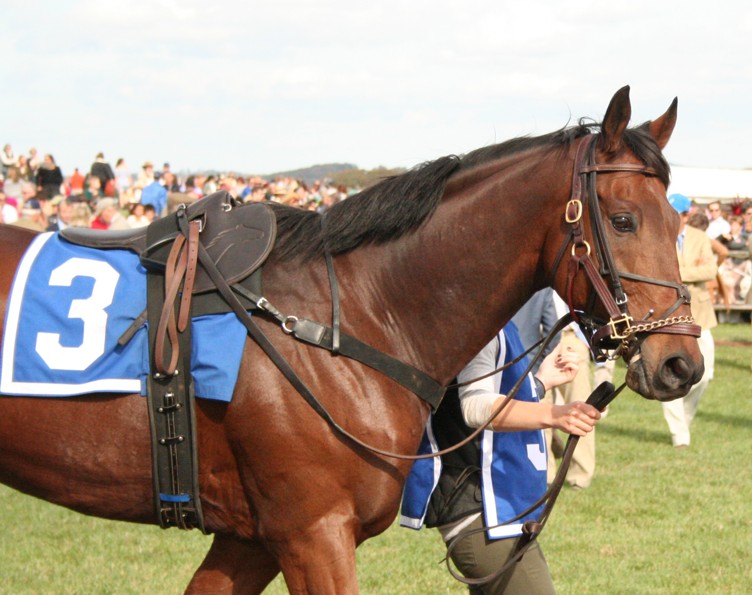
Set at the historic Churchill Downs, the Kentucky Derby attracts millions of bettors trying to pick a winner among the 20 racehorses. Many of them lose, but with the right approach, your chances could improve. Here, we compare the most popular betting strategies. Check them out and learn how to make the most of the Kentucky Derby betting offers confidently.
Why Is Betting on the Kentucky Derby a Challenge?
The Run for the Roses is America’s most wagered horse race, where 20 three-year-olds compete for a $5 million purse. With so many horses on the track, some of them inevitably will get bumped or jostled, making the outcome unpredictable. Past performances are important, but they tell only part of the story at the Derby.
Here, stamina analysis, trainer patterns, and recent workouts can make a real difference. For example, a horse might have performed well on a shorter prep but lack the foundation for running the mile-and-a-quarter distance.
The Kentucky Derby uses a pari-mutuel system. All bets go into a shared pool, so the odds depend on how much money is wagered on each horse relative to the total pool. The more money the crowd bets on a horse, the lower its payout, and vice versa.
How to Handicap Each Horse Like a Pro
As a beginner, one of the first factors to consider is speed figures like Beyer and BRIS ratings. Since 2000, every Kentucky Derby winner has posted at least one race with a 100 or higher Beyer Speed Figure.
The BRIS Speed Rating is just as critical – 20 of the last 26 in-the-money winners have brought at least a 100 according to this metric. When reviewing your picks, prioritise horses showing consistently improving figures in their most recent races.
The next step is evaluating the late pace and strong closing fractions. A strong finishing kick is a decision-making factor, so look for horses that are proven to close ground in their previous races. The Final Fractions Theory, developed by analyst Jennie Rees, is simple: prioritise horses that ran their final three-eighths in under 38 seconds and the final eighth of a mile in under 13 seconds. 31 of the last 36 Derby winners met this threshold.
Pedigree is another key handicapping tool, that can help you identify which horses are bred to excel at one and a quarter miles. You can expect stout bloodlines to finish well in preps and improve with the added ground. On the contrary, horses with uncertain ancestry might be good in the shorter preps but not make it over the long trip.
Before you head to one of the top Kentucky Derby betting sites, make sure you check each horse’s running style and post position. Horses’ running styles can give you an idea of how the race will unfold – some are front-runners, others come from behind, while some need a slower pace to save energy for the final stretch.
Since 1996, 86% of Kentucky Derby winners have finished in the top two in their final prep race. The four most significant ones are the Florida Derby, Arkansas Derby, Santa Anita Derby, and Blue Grass Stakes. Finally, don’t forget that the jockey’s experience and the trainer’s Derby record can be decisive factors.
Types of Kentucky Derby Bets
The most beginner-friendly option is a straight bet – win, place, or show. A win is the most popular horse racing bet, and it means the horse you chose must finish first. Place means it finishes in the top two, and show means it finishes in the top three.
Exotic bets are more complex but offer bigger payouts — and they allow you to wager on multiple horses in the same race. If you bet on the first two finishers in the correct order, that’s an exacta. For a trifecta, you need to pick the first three finishers in the exact order.
Superfecta covers the first four finishing horses, while boxing is a feature that applies to any exotic bet. Instead of wagering on the specific order, it includes all possible combinations of the chosen horses.
Another option is multi-race bets. The daily double, for example, lets you pick the winners of two consecutive races. You could combine the Kentucky Oaks (Friday) and the Kentucky Derby (Saturday) in one ticket. Pick 3, Pick 4, Pick 5, and Pick 6 cover choosing the winner of three, four, five, or six consecutive races, respectively.
Whichever bet type you choose, make sure you’re placing it on a trusted platform — check the Kentucky Derby betting sites on this page to compare your options before post time.
Kentucky Derby Betting Strategies — How to Build Your Ticket
Before checking the odds board, do your own assessment first. If your handicapping suggests a horse has a stronger chance than its odds imply, that’s your value bet. The crowd isn’t always right – and in the Kentucky Derby, it’s often very wrong.
Don’t build exotic tickets based solely on the top contenders. A closer with odds of 10/1 or higher has landed in the superfecta for 12 consecutive years – leaving them off your ticket might not be the smartest move. Include one or two well-handicapped longshots in your boxed exotics to maximise your potential payout.
Some bettors choose to broaden their possibilities by building two tickets. One is the more logical choice, based on the odds and research, while the other wager is speculative and includes a longshot or two. Remember to spread the risk carefully.
Responsible gambling is just as important as having a good strategy when using the best Kentucky Derby betting sites. Before you start, set a budget of how much you can afford to lose and stick to it. Don’t chase losses and spread your wagers across different horses and bet types.