

How Global Racing Circuits Connect the UK and US Scenes
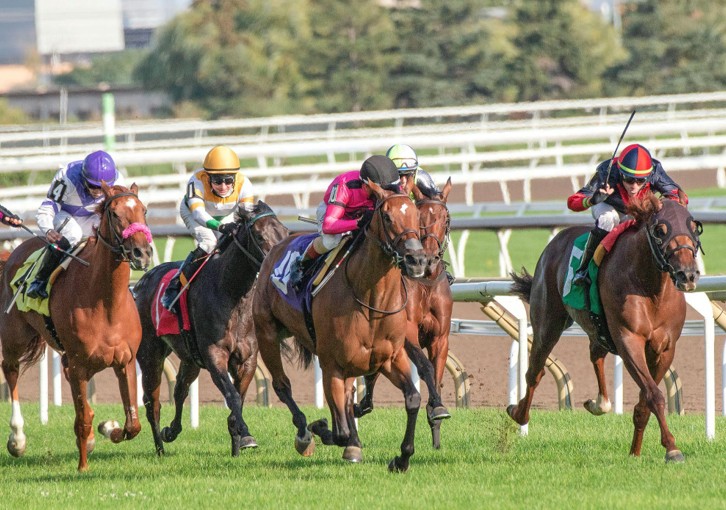
Horse racing has always carried a strong local identity. Fans in the United States know the rhythm of big race days, familiar tracks, and domestic stars. In the United Kingdom, the sport moves through its own calendar, traditions, and form lines. Yet those two worlds are more connected than many bettors realize.
Global racing circuits now link the UK and US scenes in practical ways. Horses travel more often. Trainers and owners think internationally. Media coverage reaches wider audiences in real time. Bettors can follow major races across both markets without waiting for the next day’s reports or limited summaries.
That shift matters because a broader racing map creates more context. For bettors, understanding those links makes the sport clearer, richer, and more rewarding to follow.
A Global Racing Calendar
The connection between the UK and US racing scenes starts with the calendar. Major meetings no longer feel isolated from one another. Royal Ascot, the Ebor Festival, the Breeders Cup, and key spring and summer stakes now sit inside one global conversation that fans can follow week by week.
That creates a more connected way of reading the sport. A horse that stands out in Britain during early summer may become relevant to US bettors by autumn. In the same way, American runners who dominate on dirt or turf can shape the discussion ahead of international entries overseas.
For bettors, this means timing matters. It helps to know where a race fits in a horse’s season and how it connects to future targets. A prep run in one country can be more meaningful when viewed against the wider circuit. The sport feels less like separate national scenes and more like one moving story with several major stages.
International Horses Appearing in Both Racing Scenes
One of the clearest links between the UK and US scenes is the movement of horses across borders. Turf specialists from Britain and Ireland often target major American races, especially when the conditions suit their style. At the same time, US-based horses can become key reference points when international competition gathers for high-profile events.
This movement gives bettors more than novelty. It creates direct form links between regions. A horse that has faced elite company in Europe may bring stronger credentials into an American turf race than casual bettors first assume. Likewise, a US runner with proven pace can change how an international field should be read.
This is also where brand visibility grows around global racing interest. As more American audiences follow international runners and overseas meetings, betting platforms respond with broader content and market coverage. That helps explain why US sportsbooks like FanDuel are part of the wider horse racing conversation, especially for readers who want access to a more connected view of the sport.
Surface Differences That Shape Transatlantic Racing
Surface remains one of the biggest differences between British and American racing, and it plays a major role in how races connect. In the United States, dirt continues to hold a central place, even with plenty of important turf action. In Britain, turf defines the sport, with conditions shaped by weather, course layout, and going.
For bettors, that means international form needs to be read with care. A strong run on soft ground at a straight course in England may not translate in the same way around tighter turns on firmer turf in North America. The reverse is just as important when American runners head abroad.
This is where useful betting insight begins. Instead of treating foreign runners as unknowns, experienced readers look at pace, preferred surface, and course shape. They ask whether a horse’s style is likely to hold up in a different setting. Those details connect the two scenes in a practical way that goes beyond surface-level comparisons.
Global Media Coverage Bringing Racing Circuits Together
Media coverage has done a great deal to connect global racing circuits. US audiences can now watch major UK races more easily, follow commentary from respected analysts, and access race replays without the old barriers that once kept markets apart. The same is true in the other direction, with American racing drawing attention from international fans.
Data has made that connection even stronger. Speed figures, sectional timing, form summaries, and trainer patterns help bettors compare runners from different regions with more confidence. While the numbers do not tell the whole story, they make it easier to place a British turf horse and an American turf horse inside the same frame.
This wider access changes how people follow the sport. Bettors are no longer limited to a local circuit or a familiar handful of tracks. They can build knowledge across continents and spot meaningful links between races. That broader perspective often leads to sharper reading, because it turns isolated information into a fuller racing picture.
One Racing Conversation Across Two Continents
The growing bond between British and American racing has changed how horse racing is watched, discussed, and understood. What once felt like two separate worlds now feels far more connected. Major meetings influence one another. Form travels. Coverage spreads faster. Bettors can follow the sport with a broader, more informed perspective.
That matters because good betting insight often starts with context. A horse is easier to assess when its place in the wider circuit is clear. A race becomes more meaningful when it is viewed as part of an international path rather than a single local contest.
The UK and US scenes still offer different surfaces, styles, and traditions, but those differences now add depth instead of distance.
For American adults interested in horse racing, that global connection opens the door to smarter reading and a more engaging experience. The more clearly these circuits are understood together, the easier it becomes to follow the sport with purpose, detail, and confidence.