

How Proper Fence Design Improves Safety on Properties Housing Horses
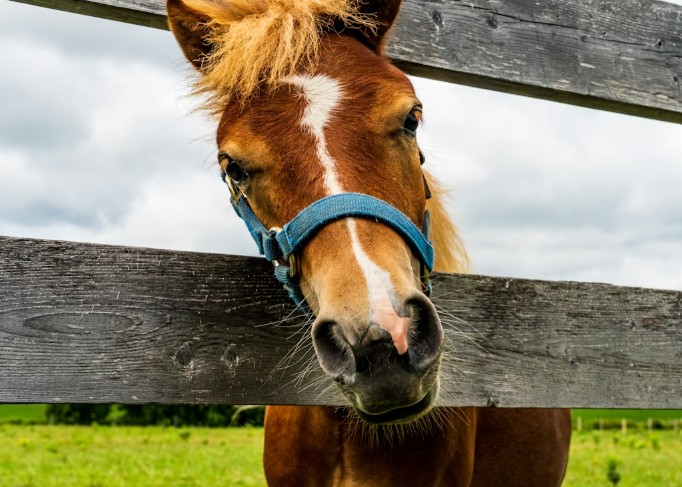
Good fence design does more than mark a boundary. It shapes how horses move, interact, and stay out of trouble. The right choices reduce injuries, stop escapes, and make chores faster and safer for people, too.
Why Design Choices Matter
Horses are fast, curious, and easily startled. Small mistakes in fence height, spacing, or materials can turn into big risks.
The right plan helps every horse see the barrier, respect it, and avoid entanglement – even when running.
Safe material selection is a core step. Guidance from a major university extension warns that barbed wire is a poor match for horses since it raises the chance of serious cuts and lacerations.
Good systems favor smooth rails, coated wire, or mesh with horse-safe openings that prevent hooves from getting stuck.
Height, Visibility, and Layout
Horses need a clear visual cue. Aim for a top rail that sits around chest level for most adult horses, then adjust if you manage taller breeds or lively young stock. Bright caps, top rails, or sight boards improve visibility in low light.
Thoughtful layout makes daily work safer – and helps your team move horses with less stress. Many property owners look to established specialists for options that balance safety, durability, and style, which is why they compare the number one suppliers of fencing in Perth, Sydney, or anywhere else before they finalize a design. That research phase often pays off in fewer fixes and safer handling down the line.
Think about these quick specs when sketching a plan:
- A visible top line that horses can see at speed
- Consistent post spacing to prevent sag and gaps
- Mesh or rail patterns that block hoof traps
- Clear lanes for moving equipment and hay
- Safe offsets where two fences meet to avoid crush points
Gates, Corners, and Hardware
Gates do a lot of hard work. Choose models that open smoothly with one hand, close securely, and swing wide for tractors. Hang latches at horse-safe heights, and avoid sharp edges or protruding pins.
Corners should not trap a subordinate horse. Use curves or short cut-off panels to create escape space. In high-traffic areas, add a buffer fence to separate horses from people, feed rooms, and parking.
Use heavier-duty hardware in spots where horses lean, scratch, or test boundaries so repairs stay rare.
Check hinges and latches seasonally for rust, wobble, or strain, and replace anything that no longer holds true alignment. In busy barns, color-coding gates or adding simple labels helps visitors and new staff move safely without guesswork.
Roadside and Perimeter Safety
Perimeter lines near roads deserve extra attention. A sturdy, visible fence discourages spooks from turning into runaways and helps prevent vehicle encounters if a horse does break loose.
One county report tracking wild-horse projects noted yearly collisions dropped to zero through early 2025 after targeted fencing and mitigation, and prior years showed multiple crashes and horse deaths. The lesson is clear – the right barrier in the right place saves lives.
Thoughtful details add up. Build for visibility, remove snag points, and plan the flow of horses and people. With a smart layout and horse-safe materials, your fence becomes quite an insurance that pays off every day.